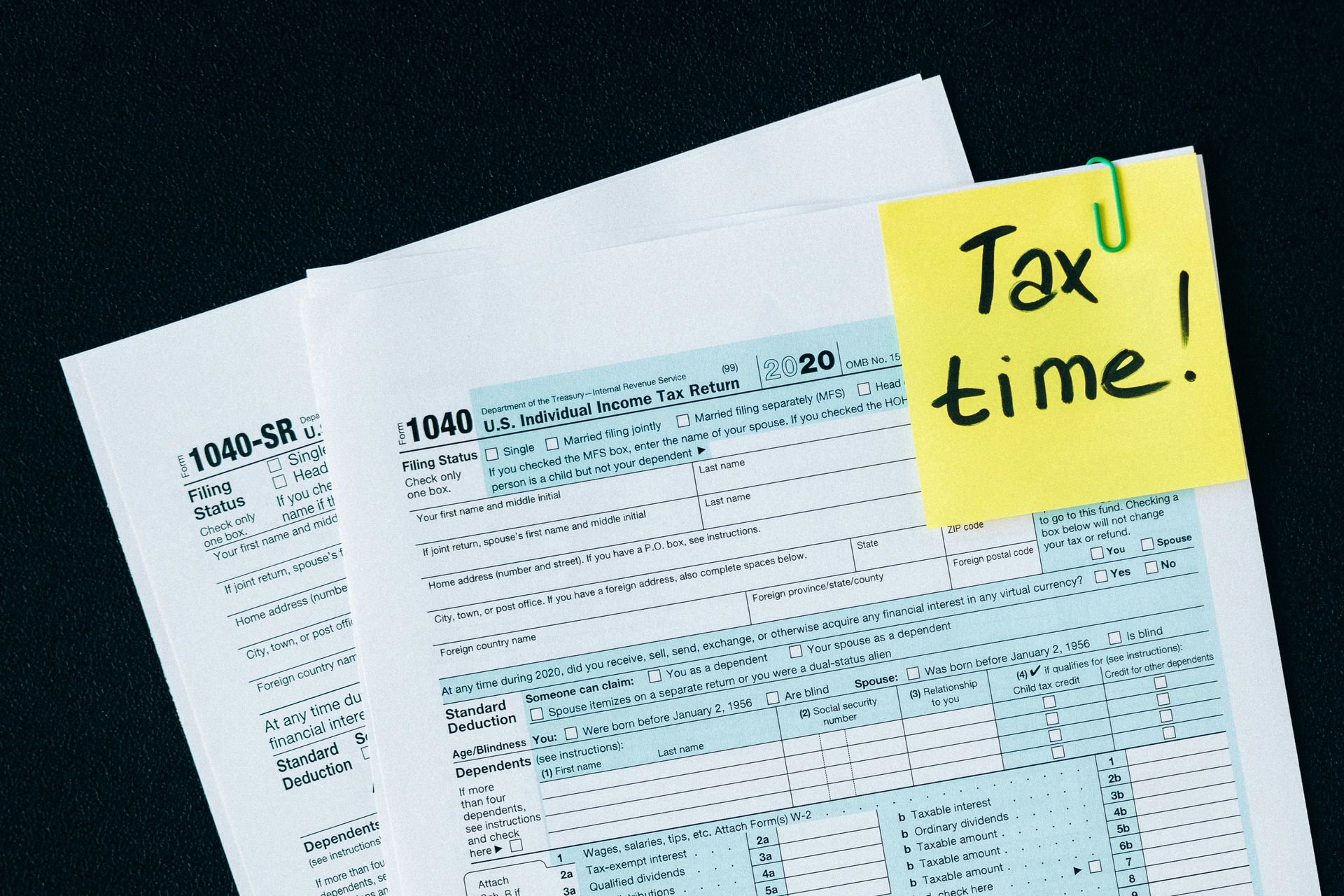
The ATO's Top Tips for Running a Small Business.
October 1, 2024
The ATO's Top Tips for Running a Small Business

Australia’s small businesses are the power behind our economy. Small businesses (employing less than 20 people) added nearly $590 billion of value in 2022, making up around a third of all Australian gross domestic product (GDP) for the period.
But keeping on top of your financial management, accounting and tax planning can be a major challenge for some owners.
With this in mind, the ATO has set up a new advice portal for small business owners, giving you tips and advice on everything you need to know about your finances and business taxes. Strengthen Your Small Business
Essentials to strengthen your small business.
The ATO’s Essentials to Strengthen your Small Business portal is your first stop for business advice. There are helpful tips covering everything from having your first business idea, through to founding a startup, growing a business and even help on exiting the business.
From a tax perspective, there are several courses to help you keep your tax on track:
Starting a business – this course helps you set up your first business, with advice on common business structures and the registrations you need to run a small business.
Using your business money and assets – this course gives an overview on paying yourself, with advice on the different options and the records you must keep.
Record-keeping – advice on using technology to help your mandatory record-keeping, and on overview of the tax and super records you’ll be required to keep.
Claiming small business tax deductions – this course covers expenses you can deduct immediately, expenses you can deduct over time and expenses you can never deduct, as well as motor vehicle expense deductions.
Growing your small business – This course helps you plan the growth of your business, alongside other considerations like GST and capital gains tax (CGT).
Goods & Services Tax (GST) – an overview of who must register for GST, how to calculate GST on sales and purchases, as well as other requirements such as invoicing, record-keeping, and reporting GST to the ATO.
The ATO’s online resources are incredibly helpful when you’re starting out as a business owner. But if you need deeper advice on mandatory record-keeping and tax, come and speak to us.
We’ll be glad to take you through all elements of your tax requirements and record-keeping.

Many businesses operate by only looking at historical data from their bookkeeper or accountant. This tells you where you’ve been, but offers little guidance on where you’re going or how to navigate the road ahead. A virtual CFO, or vCFO, acts as your financial co-pilot, focusing on the future. They go beyond basic compliance and tax lodgements to provide the strategic direction needed to make informed decisions that drive growth. The Strategic Partner Your Business Is Missing While an accountant is essential for maintaining accurate records and meeting ATO obligations, a vCFO’s role is fundamentally different—it's about shaping the future financial health of your business. They analyse your financial data to identify opportunities and flag risks before they become significant issues. For Australian businesses, this strategic partnership delivers clear advantages: Actionable Insights: They translate complex financial reports into plain English. Instead of just seeing a profit figure, you’ll understand which products are most profitable, where costs are increasing, and what specific actions you can take to improve performance. Improved Decision-Making: Key decisions—such as hiring new staff, investing in equipment, or adjusting pricing—are no longer based on gut feelings. A vCFO supports these moves with solid data and financial modelling. Sustainable Growth: They help you manage cash flow, position your business for funding, and build a resilient financial foundation for long-term success. A virtual CFO doesn't just manage your finances; they manage your financial future. Their primary goal is to use financial intelligence to help you build a more profitable and stable business, turning historical data into a roadmap for growth. Building Your Financial Roadmap Many business owners seek a vCFO when facing a specific challenge, such as inconsistent cash flow, shrinking profit margins, or preparing the business for sale. A vCFO addresses these issues by creating financial clarity and developing a clear plan. If you want to dive deeper into this process, our guide on crafting a strategic plan as your roadmap to business growth is a great resource. By building accurate forecasts and tracking relevant key performance indicators (KPIs), they provide the visibility needed to navigate economic challenges and seize opportunities. This proactive approach ensures your business is always prepared for what’s next. What a Virtual CFO Actually Does for Your Business Many business owners view finance through two lenses: a bookkeeper for daily transactions and an accountant for tax compliance. Both are critical, but a virtual chief financial officer (vCFO) operates on a strategic level. They are focused on shaping what happens next quarter, next year, and five years from now. A vCFO acts as your strategic guide, translating financial data into clear, actionable intelligence. It’s about moving beyond simply reporting the numbers to explaining what those numbers mean for your future. Moving Beyond Reporting to Strategic Insight A traditional accountant will prepare a profit and loss statement that tells you if you made money. A vCFO takes this further by analysing that P&L to pinpoint exactly which products or services drive your profits and which ones are underperforming. This analysis leads to crucial strategic questions. Should you invest more in your most profitable offering? Is it time to discontinue a low-margin service? A vCFO provides the data-backed confidence to make these decisions. Their forward-looking role includes: Strategic Financial Planning: They help build a long-term financial roadmap aligned with your business goals, ensuring you have the resources to achieve them. Cash Flow Optimisation: This involves proactively managing cash. A vCFO creates detailed cash flow forecasts to identify potential shortfalls months in advance, helping you avoid liquidity issues. Insightful Forecasting and Budgeting: They build dynamic financial models to simulate scenarios. For instance, they can project the financial impact of hiring new staff or investing in major equipment. A simple way to differentiate the roles: A bookkeeper records the game's score. An accountant ensures the score is reported correctly. A virtual CFO is the coach, analysing the play, calling shots, and creating a strategy to win.

What Is the Absentee Owner Surcharge? The absentee owner surcharge is a state-level tax applied to land owned by individuals, corporations, or trusts classified as 'absentee'. It ensures that owners living abroad contribute to the state services—like roads, emergency services, and public amenities—that help maintain and increase the value of their property. This surcharge is not a federal tax. The rules, rates, and exemptions differ significantly between states like Victoria, New South Wales, and Queensland. The primary goal is to ensure overseas investors contribute fairly to the funding of state infrastructure that underpins their property's value. It also aims to encourage the active use of local land. For any international investor, Australian expat, or trustee holding Australian property, determining your liability is crucial. Whether you must pay the surcharge depends on several factors: Your residency status, including the amount of time you spend in Australia. The ownership structure (individual, company, or trust). The state in which your property is located. Essentially, it's a financial acknowledgement of your investment in a community you are not physically part of for most of the year. The 'Why' Behind Victoria's Absentee Owner Surcharge

Your Guide To The Land Tax Threshold For anyone holding investment properties, understanding the land tax threshold is critical for managing your annual costs. It acts as a starting line; you don't begin to incur tax until your portfolio's total land value crosses that state-specific point. This state-based tax is calculated solely on the unimproved value of your land. This is a crucial detail. It means the state revenue office disregards the value of any buildings, landscaping, or other structures on the property. It’s the land itself, not the dwelling on it, that is taxed. This is why a modest house on a large, valuable block in a sought-after suburb could attract a much higher land tax bill than a brand-new luxury apartment that occupies a very small land footprint. The visual below illustrates this point, showing how the assessment focuses on the land's value alone. This concept is the foundation for how the land tax threshold is applied to your portfolio. It’s all about the value of the underlying land. Why Does This Tax Exist? At its core, land tax is a significant source of revenue for state and territory governments. It helps fund essential public services that benefit the entire community, such as schools, hospitals, roads, and emergency services. The system is specifically designed to apply to those who own land as an investment, which is why your principal place of residence is almost always exempt. The land tax framework is built on a few key principles: Progressive Taxation: The more valuable your total land holdings are, the higher the rate of tax you will pay. State-Based System: This is a critical point. Each state and territory sets its own rules, rates, and land tax threshold. There is no single national system. Aggregation: All the taxable land you own within a single state is added together to determine if you’ve crossed the threshold for that jurisdiction. Because it's a state-based system, an investor with properties in both New South Wales and Victoria is assessed separately in each state. This means they can benefit from two different tax-free thresholds. Effective tax planning is essential for investors, just as it is for small business owners who need to stay current with the latest ATO tips for small business . How Land tax Thresholds Differ Across Australia If you own investment properties across Australia, you cannot view land tax as a single, national rule. Land tax is a state-based system, meaning every state and territory operates under its own distinct set of regulations. This is a critical point for any investor to grasp. A property portfolio with a specific land value in New South Wales could face a completely different tax bill compared to an identical portfolio in Queensland. The differences are not minor. Each state sets its own land tax threshold —the value your unimproved land must reach before the tax applies. Additionally, they set their own tax rates, which typically increase as your land value grows.